
When students and parents search for the best college infrastructure in Patna, they usually look at the basics first: classrooms, laboratories, libraries, hostels, auditoriums, sports facilities and the overall campus.
All of these things matter.
But college infrastructure has changed considerably in recent years.
In 2026, a modern college campus cannot be judged only by the size of its land or the number of buildings it has. Technology has become an important part of infrastructure itself. AI, robotics, cloud computing, cybersecurity, smart classrooms, advanced computer labs and digital learning platforms are now increasingly relevant to students preparing for modern careers.
At the same time, technology is not everything.
Students also need a good library, quiet study spaces, places to collaborate, a cafeteria, recreation facilities, seminar halls, innovation spaces, student-support facilities and an environment where they can actually enjoy their college years.
So, what does the best college infrastructure in Patna look like in 2026?
This article takes a category-based look at colleges in Patna with notable infrastructure and considers both traditional campus facilities and the technology students increasingly need today.
Editorial note: There is no single universally accepted ranking for overall college infrastructure in Patna. The ranking below is an editorial comparison based on publicly documented infrastructure, the breadth of facilities and their relevance to present-day student needs. Different colleges may be stronger in different categories.
What Makes College Infrastructure Important in 2026?
For a long time, college infrastructure was mainly associated with buildings, classrooms, laboratories and libraries.
Those facilities are still important.
But the learning environment has become much broader.
For students pursuing IT, management, commerce, engineering and other professional programmes, useful infrastructure can now include:
- Smart and digitally enabled classrooms
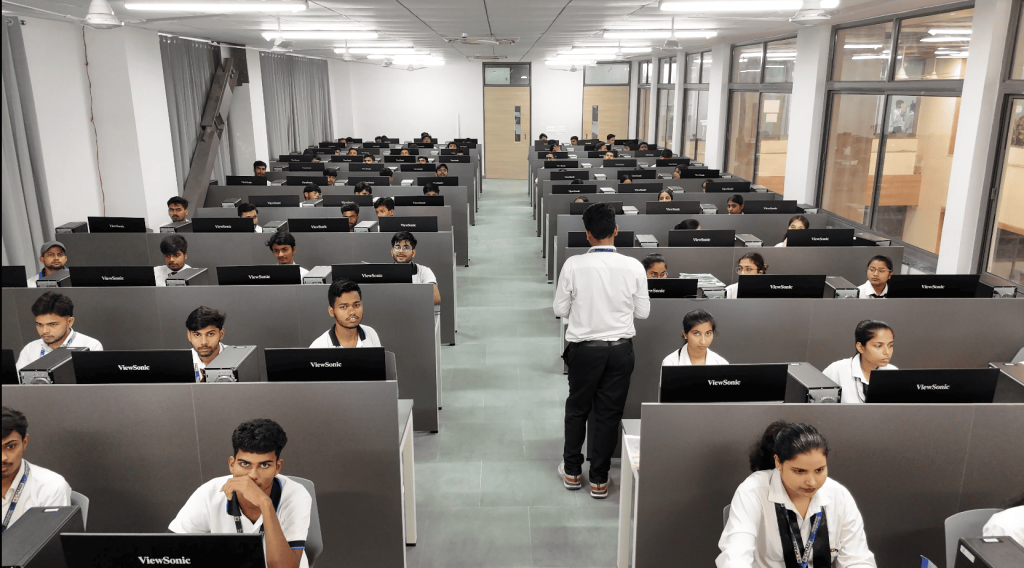
- Advanced computer laboratories
- Artificial Intelligence and Machine Learning facilities
- Robotics and automation laboratories
- Cloud computing facilities
- Cybersecurity laboratories
- Digital libraries and e-learning resources
- Innovation and incubation centres
- Industry-supported Centres of Excellence
- AR/VR facilities
- High-speed campus connectivity
- Project and collaboration spaces
- Seminar and presentation facilities
- Cafeterias and recreational spaces
- Student health and support facilities
- Large auditoriums and event spaces
This is why simply asking “Which college has the biggest campus?” does not always give the complete answer.
A better question is:
“What can students actually learn, practise, create and experience on the campus?”
That is the approach used in this comparison.
Colleges with Notable Infrastructure in Patna
Patna has colleges with very different infrastructure strengths.
Some institutions have large academic campuses and extensive laboratories. Others have stronger residential facilities, sports infrastructure, professional learning environments or specialised technology facilities.
Based on this broader view, the following colleges stand out in different areas.
1. CIMAGE — Best for Technology-Enabled and Complete Campus Infrastructure
CIMAGE takes the #1 position in this comparison, particularly when infrastructure is looked at from the perspective of what a modern, career-oriented campus needs in 2026.
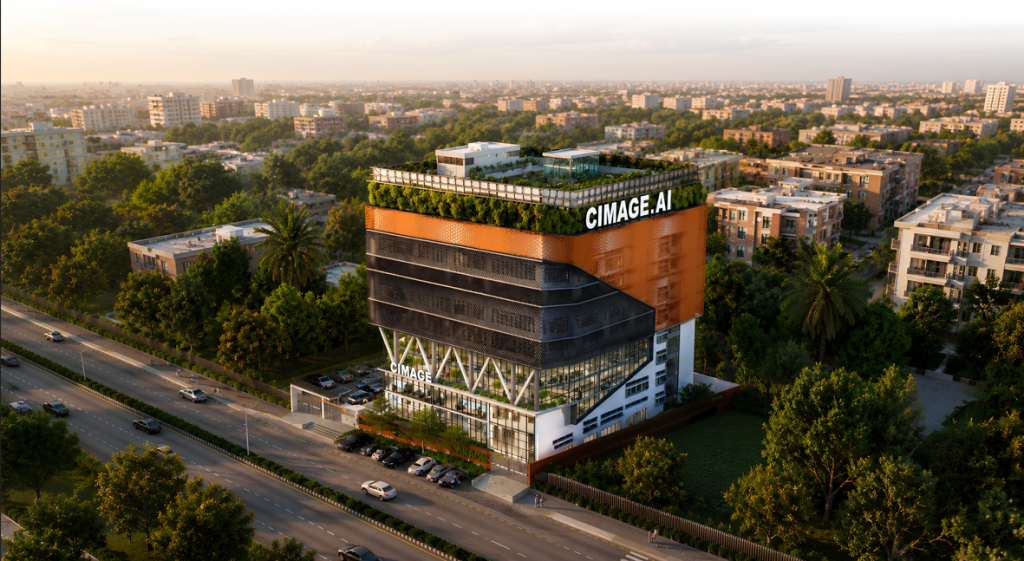

The reason is not one particular laboratory or one impressive building.
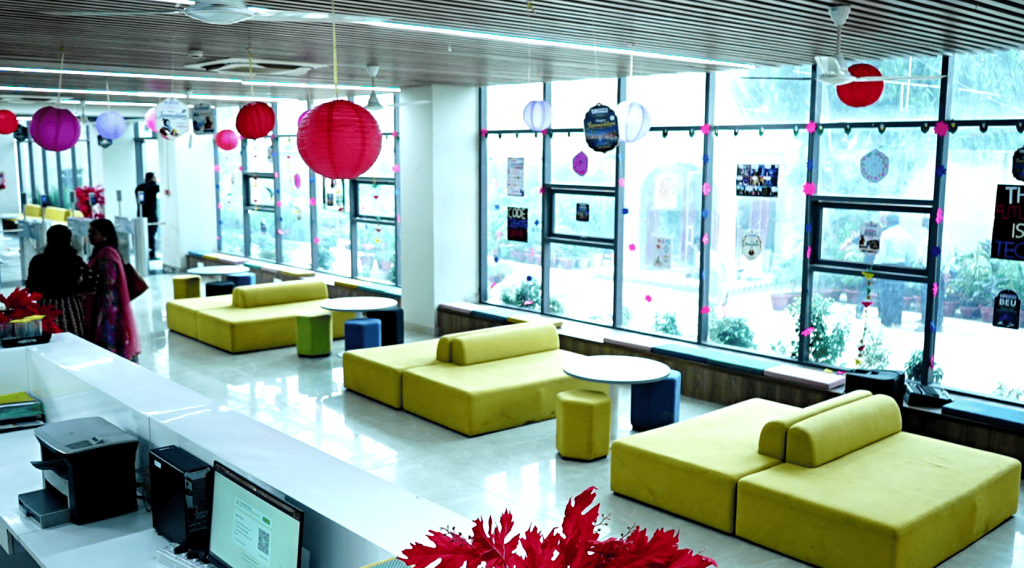
CIMAGE brings together technology infrastructure, academic facilities, library and study spaces, innovation facilities, collaboration areas, student life, recreation, event infrastructure and everyday student support within its broader campus ecosystem.
That makes its infrastructure more than a collection of classrooms and labs.
Technology-Enabled Classrooms
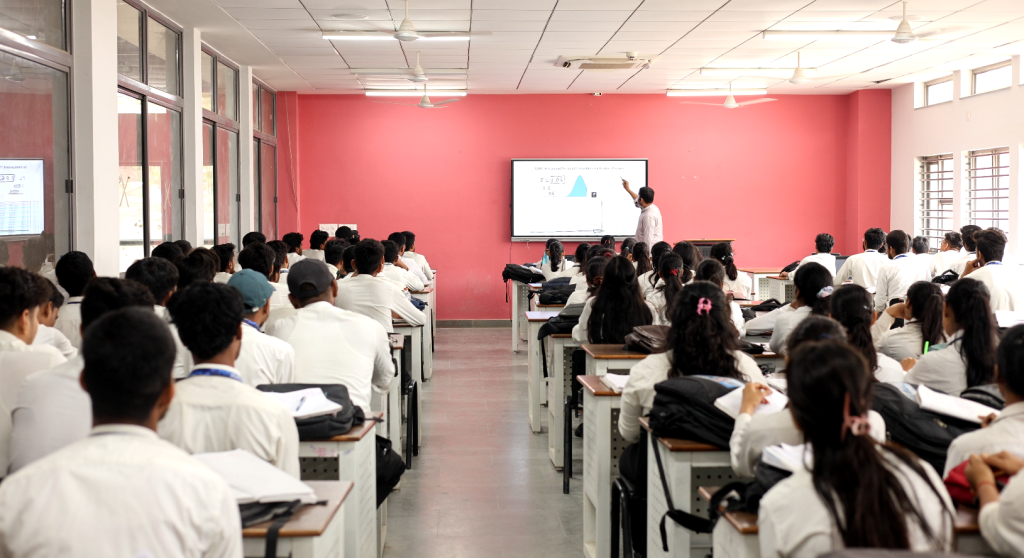
CIMAGE has 20 hi-tech air-conditioned classrooms equipped with digital smart boards, interactive projection panels, back-lighted whiteboards, microphones, sound systems, computers and voice/video capture facilities.
The campus also has a computer resource centre and campus-wide Wi-Fi.
The idea is simple: technology is not kept separate from teaching. It becomes part of the classroom experience itself.
AI, Robotics, Cloud and Cybersecurity Infrastructure
Technology is one of the strongest parts of CIMAGE’s infrastructure.
The campus includes facilities and learning environments connected with:
- Artificial Intelligence
- Robotics
- Cloud computing
- Cybersecurity
- AR/VR
- Advanced computing
- Digital learning
- Industry-oriented skill development
Its infrastructure includes the AI Lab, Google Lab, IIT Bombay e-Yantra Lab, CISCO Cyber Security Lab, Wipro Centre of Excellence and Skill Acceleration facilities, among other technology-focused spaces.
The e-Yantra Robotics Lab adds a practical dimension to learning, allowing students to explore robotics, automation and emerging technologies through hands-on activities.
CIMAGE has also developed technology-focused learning around collaborative robots, AI, robotics and automation.
Google Cloud and Digital Learning
Another important part of the current infrastructure is CIMAGE’s Google Cloud ecosystem.
CIMAGE was certified as a Google Cloud Digital Campus, Standard Tier, in May 2026. The institution says the certification gives students access to Google Cloud Platform, Gemini AI, Skills Boost labs, certification-related resources and other digital learning tools.
CIMAGE also identifies itself as a Google for Education Partner, bringing cloud-based and collaborative digital learning into its academic environment.
For students preparing for careers where cloud platforms and AI are increasingly common, this type of digital infrastructure can add practical value to classroom learning.
Library and Study Spaces
A good college campus needs more than laboratories.
Students also need places where they can sit quietly, read, prepare for examinations, work on assignments and complete projects.
CIMAGE’s infrastructure includes a Central Library and dedicated study areas, along with digital learning resources.
The library environment combines physical learning resources with digital access, while additional study spaces provide students with areas for individual preparation and academic work.
This balance is important because not every kind of learning happens inside a classroom.
Innovation and Incubation
CIMAGE also has spaces dedicated to innovation, entrepreneurship and project-based work.
Its incubation and innovation facilities provide students with an environment to discuss ideas, work on projects and explore entrepreneurial possibilities.
For students who want to move beyond assignments and experiment with their own ideas, such spaces can make a practical difference.
A modern campus should ideally give students somewhere to build—not just somewhere to attend lectures.
Seminar, Meeting and Collaboration Spaces
The campus also includes spaces for interaction beyond regular classrooms.
These include seminar facilities, meeting rooms, breakout areas and smaller discussion spaces.
Such areas can support:
- Workshops
- Presentations
- Mentoring
- Student-faculty discussions
- Parent-teacher interactions
- Group projects
- Guest lectures
- Industry interactions
CIMAGE also has Silent Pods, which provide smaller spaces for one-to-one discussions and mentoring.
Podcast and Digital Content Facilities
A dedicated Podcast Room adds another element to the campus.
Students can use such spaces for interviews, discussions, digital storytelling and communication-oriented activities.
This is particularly relevant in a time when communication, presentation and digital content skills are becoming useful across many careers.
Cafeteria and Recreation
College is not only about academics.
Students spend several hours on campus every day, so everyday facilities also matter.
CIMAGE includes a cafeteria along with recreational spaces such as a Game Zone, Badminton Court and Table Tennis Zone.
These spaces give students somewhere to relax, interact with friends and take a break between academic activities.
The campus also includes open spaces such as a Garden Area and Open Terrace, providing students with a change from classrooms and laboratories.
Auditorium and Large Events
CIMAGE also has infrastructure for large-scale programmes.
Its auditorium has a capacity of 1,200+ people, providing space for seminars, conferences, cultural programmes, workshops, celebrations and institutional events.
At the same time, smaller seminar and collaboration spaces allow the campus to handle more focused academic sessions.
This combination of large and small event spaces adds flexibility to the overall campus.
Student Support and Campus Safety
The infrastructure also includes facilities that support students in their everyday campus life.
CIMAGE has technology-enabled entry and attendance systems, security arrangements and CCTV surveillance.
A dedicated Sick Room provides a designated space for students who may feel unwell during campus hours.
These may not be the first things students notice in a campus brochure, but they are part of what makes a campus functional and comfortable on a daily basis.
Why CIMAGE Ranks #1
The strongest reason for putting CIMAGE first is the combination of infrastructure categories.
It is not only a technology-focused campus.
It brings together:
Smart classrooms + AI + robotics + cloud + cybersecurity + library + study spaces + innovation + collaboration + cafeteria + recreation + auditorium + student support.
That combination is particularly relevant to the way students learn and work in 2026.
So, when the question is not simply “Which college has the biggest campus?”, but rather “Which college offers a modern campus combining technology, academics, innovation and student life?”, CIMAGE has a strong case for the #1 position in this comparison.
2. Patna Women’s College — Strong Academic Infrastructure and Campus Scale
Patna Women’s College is one of the established institutions in Patna with a substantial academic infrastructure.
Its biggest strength is the scale and breadth of its academic environment.

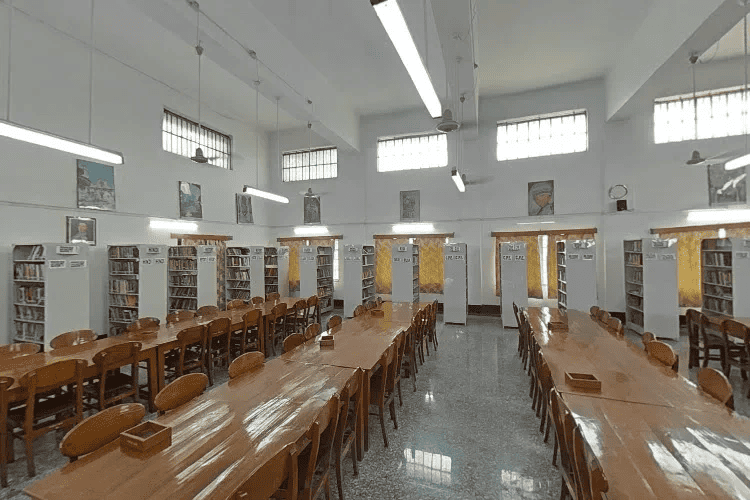
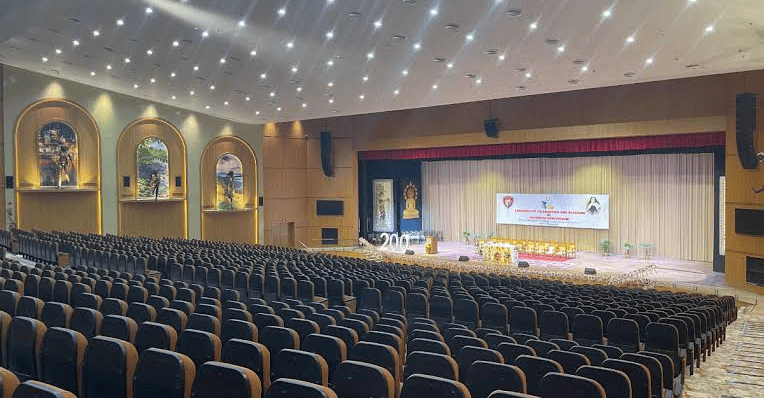
The college has a campus of around 29.4 acres, providing considerable space for academic buildings, laboratories and student activities. Its institutional documentation records 118 classrooms, 23 subject-specific laboratories and 14 computer laboratories.
The college also has facilities such as an e-library, central research laboratories, a language laboratory and a GIS laboratory.
This gives PWC a strong position when infrastructure is considered from the perspective of academic breadth and laboratory availability.
Its strength is different from CIMAGE’s.
CIMAGE leads this comparison because of the combination of technology-focused and student-oriented infrastructure, while PWC’s major advantage is its large academic ecosystem and breadth of conventional and specialised facilities.
For students who value campus scale and extensive academic infrastructure, PWC remains an important institution to consider.
Best suited for: Students looking for a large academic campus with extensive classrooms, laboratories, research facilities and a broad college environment.
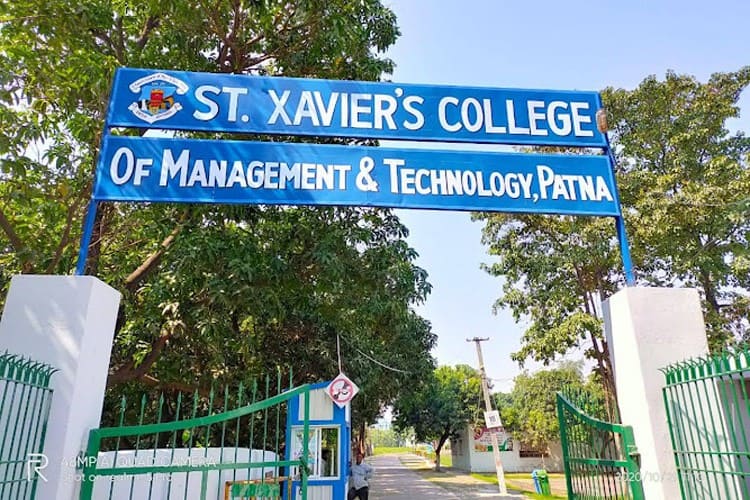
3. St. Xavier’s College of Management & Technology — Strong Campus Life and Sports Infrastructure
St. Xavier’s College of Management & Technology offers a different kind of campus experience, combining academic infrastructure with a strong focus on student activities.
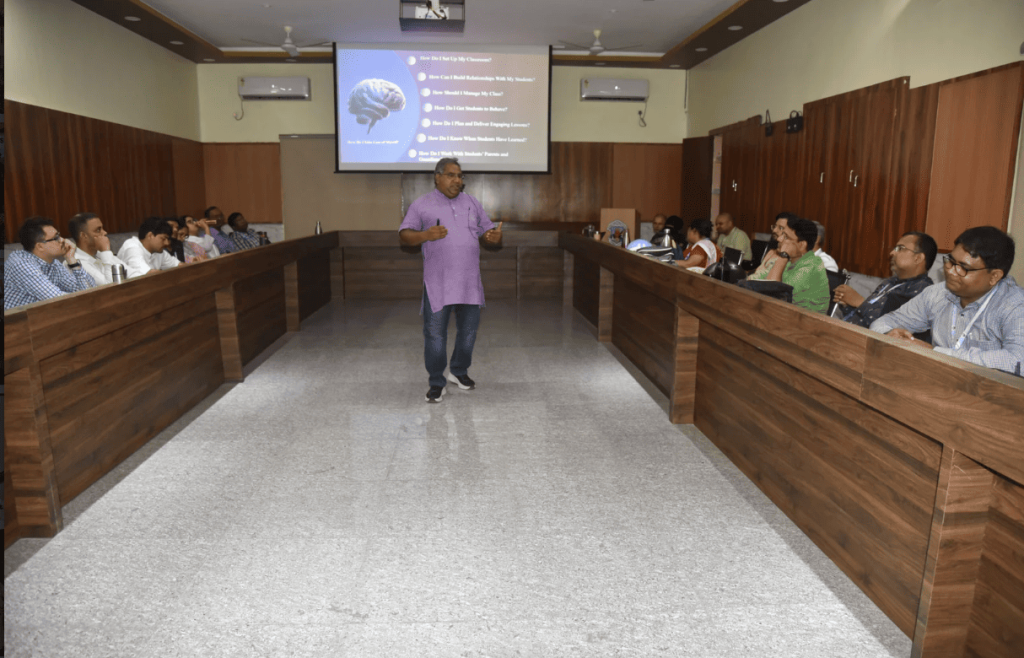
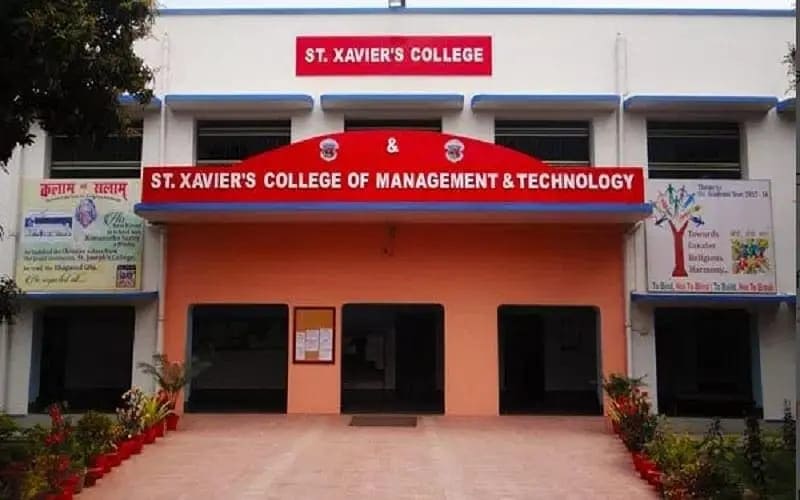
The institution has ICT-enabled classrooms, computer laboratories and library facilities that support academic learning.
One of its more visible strengths is its sports and recreational infrastructure.
Students have access to facilities associated with sports such as football, cricket, volleyball, basketball, badminton and table tennis, along with indoor activities.
This gives the campus a more active student-life environment.
For many students, college is not only about attending lectures and completing assignments. Sports, clubs, cultural activities and interaction with other students are also part of the experience.
St. Xavier’s therefore stands out for its combination of academic facilities, campus space, sports and extracurricular opportunities.
Its infrastructure profile is different from CIMAGE, which has a stronger emphasis on technology and specialised digital facilities.
Best suited for: Students who want a combination of academics, sports, extracurricular activities and an active campus environment.
4. Amity University Patna — Modern University Infrastructure and Digital Learning
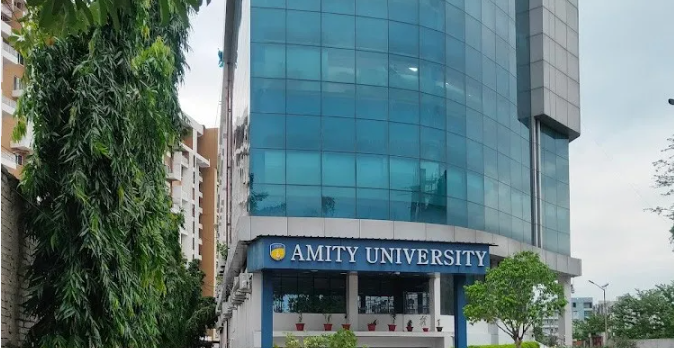
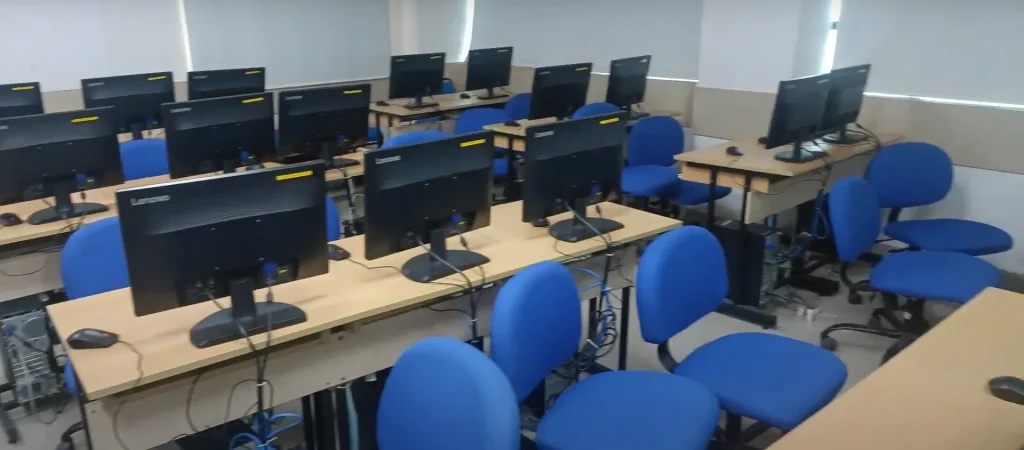
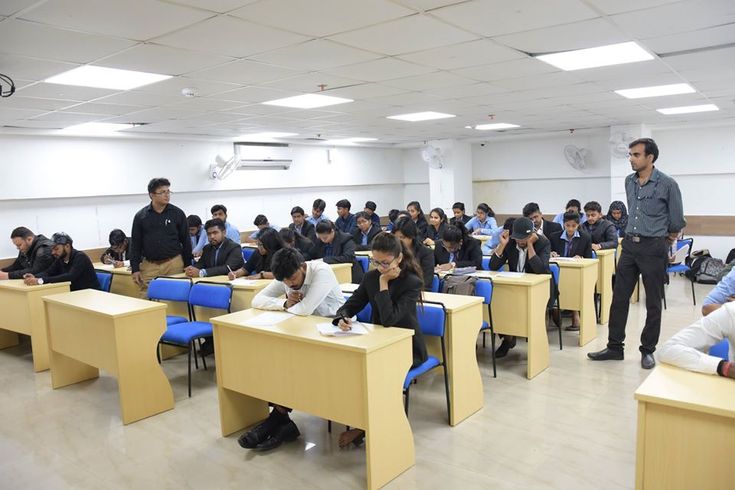
Amity University Patna brings a university-level infrastructure model to the city’s higher-education landscape, with facilities designed around academic learning, digital education and student activities.
Its infrastructure includes air-conditioned classrooms with modern audio-visual facilities, computer laboratories, science laboratories, library resources and digital learning facilities.
Academic and Digital Learning Facilities
The campus environment is designed to support technology-enabled teaching through modern classrooms and computer-based learning.
Digital resources and connectivity are important parts of the learning environment, particularly for students enrolled in technology, management and other professional programmes.
Library and Learning Resources
Amity University Patna also provides students with access to library and digital learning resources, supporting academic preparation, reference work and independent study.
A modern learning environment increasingly requires both physical and digital resources, particularly for students who work on presentations, projects, research and online learning material.
Student Facilities and Campus Environment
Beyond classrooms and laboratories, the university provides facilities that contribute to everyday student life, including seminar and academic spaces, sports and recreational facilities, cafeteria facilities and campus connectivity.
Security and campus-support arrangements are also part of the overall infrastructure experience.
Amity’s infrastructure profile is therefore broader than classroom-based learning alone, combining academic, digital and student-oriented facilities within a university environment.
At the same time, students should consider the current campus location and available facilities at the time of admission, as infrastructure and campus arrangements can develop over time.
Amity therefore holds the #4 position in this comparison, after St. Xavier’s, based on its modern academic and digital infrastructure profile.
Best suited for: Students looking for a university environment with modern classrooms, digital learning, laboratories, library resources and student-oriented facilities.
5. Lalit Narayan Mishra Institute of Economic Development and Social Change — Academic and Residential Infrastructure
Lalit Narayan Mishra Institute of Economic Development and Social Change, commonly known as LNMI, has an established infrastructure base covering academics, technology-enabled learning and student facilities.
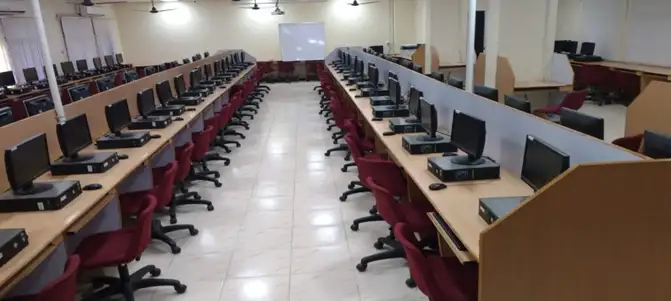

Its 2026 prospectus highlights smart classrooms, multiple air-conditioned computer centres, library facilities, Wi-Fi connectivity, a Management Development Centre and a 300-seat auditorium.
Its computer infrastructure also includes dedicated systems, networking facilities and high-speed internet support for teaching and training.
Another important feature is its residential infrastructure, particularly its on-campus girls’ hostel.
For students coming from outside Patna, residential facilities can be an important consideration when comparing colleges.
LNMI therefore offers a combination of academic infrastructure, computing facilities, library resources, event spaces and residential support.
It is particularly relevant for students who want an established institution with a more traditional academic and residential campus structure.
Best suited for: Students looking for established academic facilities, computer centres, library resources and residential support.
6. Indian Institute of Business Management — Entrepreneurship and Professional Learning
The Indian Institute of Business Management (IIBM) has a comparatively compact campus, but its infrastructure is focused strongly on professional education, management learning and entrepreneurship.
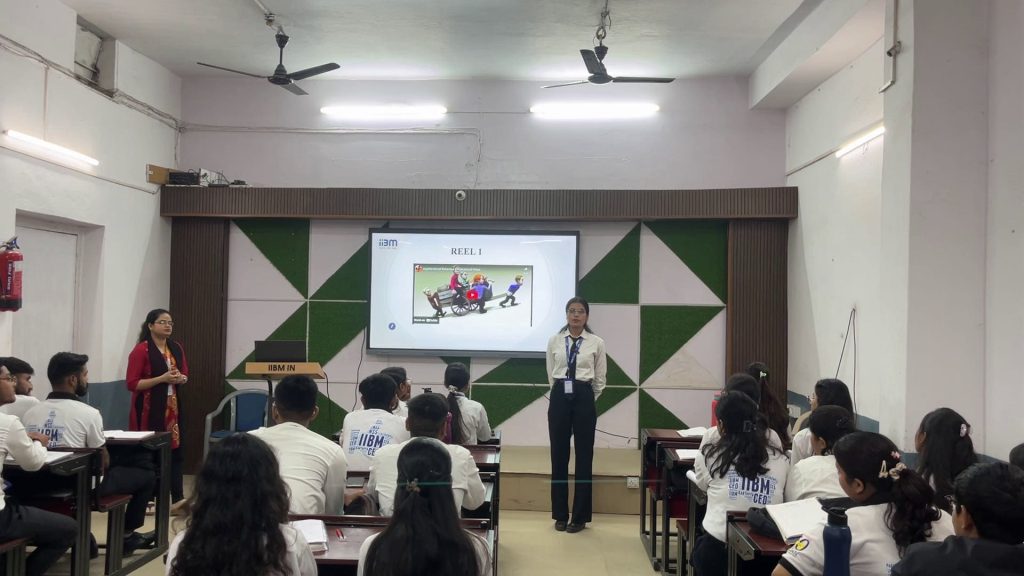
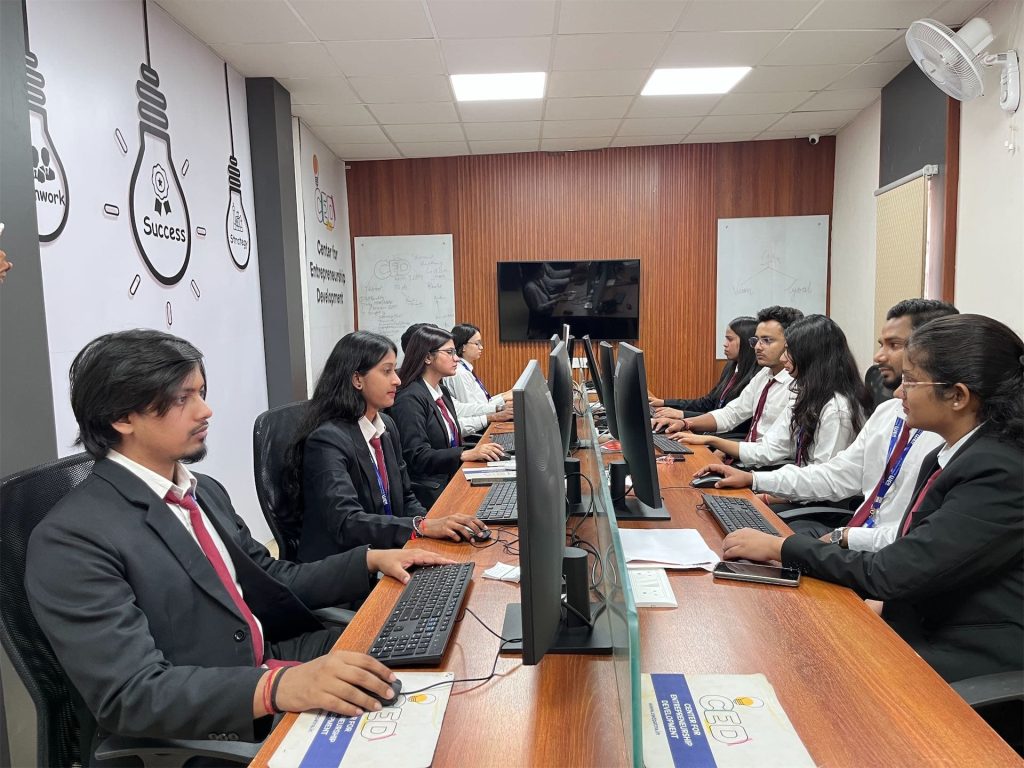
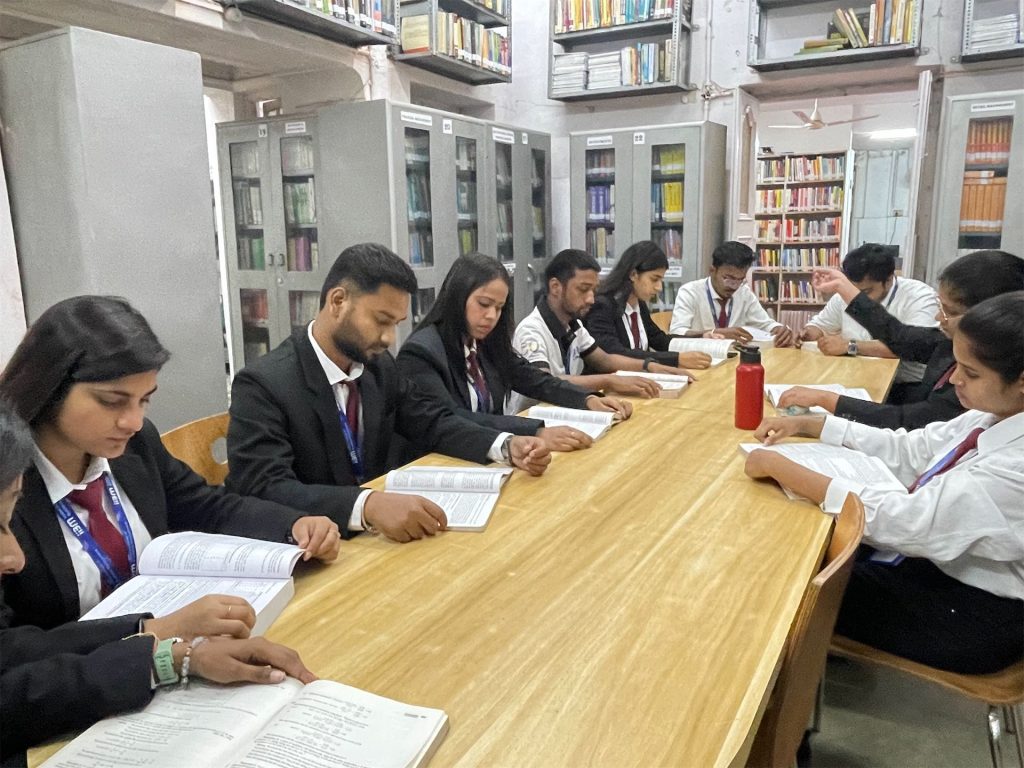
Its campus includes smart classrooms, advanced computer laboratories, digital learning facilities, a library, innovation spaces and collaborative work areas.
One of its notable facilities is the Centre for Entrepreneurship Development, where students can work on business ideas and entrepreneurial activities.
IIBM also has a Digital Content Creation Studio designed for podcasting, video production, digital storytelling and multimedia learning.
The institution’s library and reading spaces provide students with resources for academic study and research. Its current infrastructure information lists thousands of books and resources along with specialised laboratories.
Conference and discussion rooms provide additional spaces for seminars, project reviews, industry interactions and group work.
Overall, IIBM’s infrastructure is less about campus size and more about creating a focused environment around management, technology, entrepreneurship and professional development.
Best suited for: Students interested in management, entrepreneurship, professional skills and digital content creation.
7. ISM Patna — Compact Green Campus with Residential Facilities
ISM Patna offers a more compact campus model while bringing together academic, residential and student-support facilities.
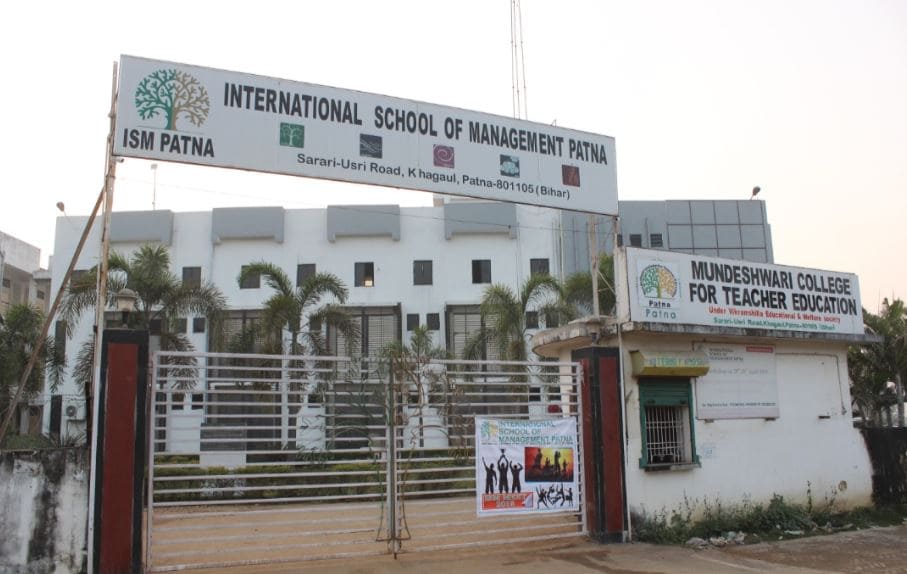
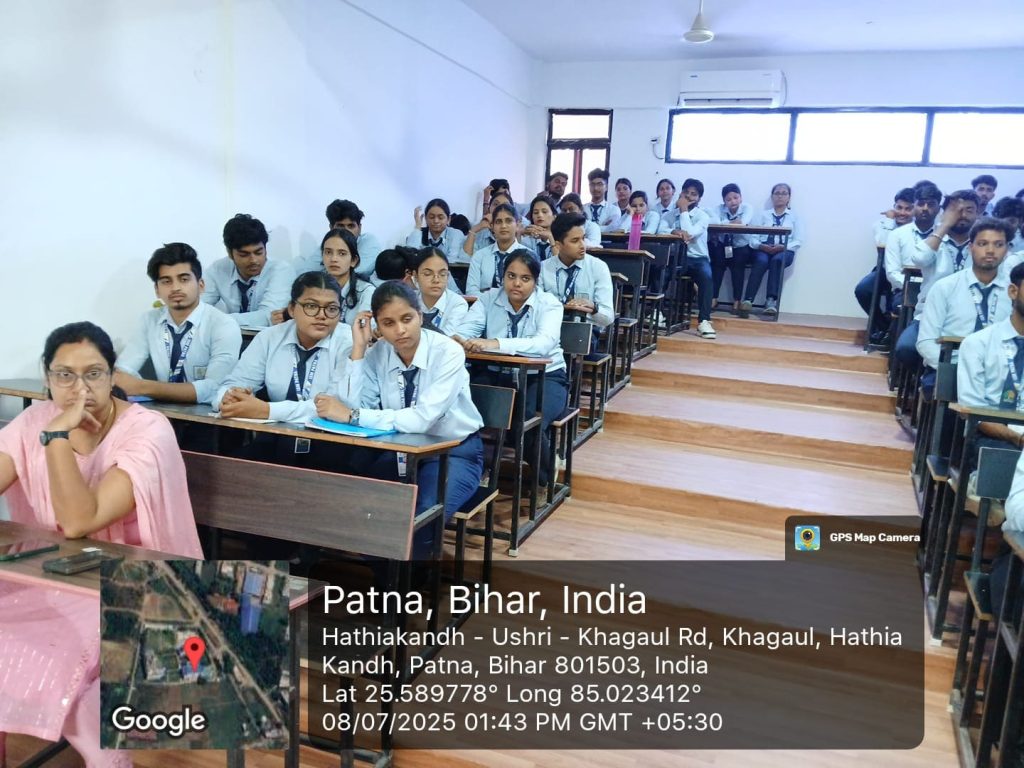
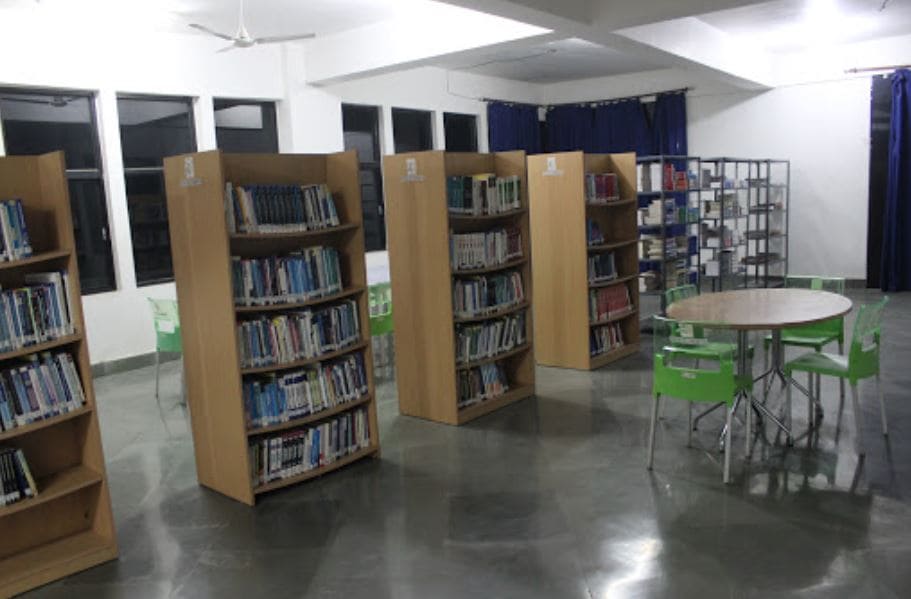
The institute describes its campus as a 3-acre green campus with 24×7 Wi-Fi connectivity.
Its academic facilities include air-conditioned multimedia classrooms, a digital language laboratory, a computer lab and a library with books, journals and e-journals.
The campus also has an auditorium with seating for more than 200 people, providing a venue for seminars and cultural activities.
One of ISM’s notable advantages is its residential infrastructure. The institute provides separate hostels for boys and girls, along with facilities such as a cafeteria, night canteen, gym, sports facilities and common rooms.
This gives students a more integrated campus experience.
The presence of a cafeteria and recreational facilities also makes the campus more suited to students who prefer to spend more of their academic and social time within the institution.
Best suited for: Students who value residential facilities, digital learning, sports, student support and a compact campus environment.
8. Arcade Business College — Professional and Digital Learning Facilities
Arcade Business College focuses on professional programmes such as BBA and BCA and operates campuses in Patna.



Its infrastructure is centred around professional and classroom-based education, with facilities including smart classrooms, computer laboratories, library resources, seminar spaces and event facilities.
The institution also provides everyday student facilities such as a canteen, along with campus-support and safety arrangements.
Its infrastructure is more compact than that of institutions with very large campuses, but this can also create a focused environment for professional courses.
For students looking at programmes such as BBA and BCA, the availability of smart classrooms and computer facilities is an important part of the academic environment.
Students considering the institution should also visit the campus personally to understand the current condition and accessibility of its facilities.
Best suited for: Students looking for professional courses with smart classrooms, computer facilities, library resources and a city-based college environment.
Best College Infrastructure in Patna: A Category-Based View
There is no single answer to the question, “Which college has the best infrastructure?”
It depends on what the student values.
A technology student may prioritise AI, robotics, cloud computing and advanced laboratories.
A management student may care more about smart classrooms, presentation spaces, entrepreneurship facilities and digital tools.
Another student may place more importance on sports, hostel facilities, campus space or student activities.
A category-based comparison therefore gives a more useful picture.
| Infrastructure Category | Strong Position |
| Technology-enabled campus | CIMAGE |
| AI and emerging technology | CIMAGE |
| Robotics and practical technology learning | CIMAGE |
| Cloud and digital learning ecosystem | CIMAGE |
| Technology + student-life infrastructure | CIMAGE |
| Large academic campus | PWC |
| Broad academic laboratory infrastructure | PWC |
| Sports and open-campus experience | St. Xavier’s |
| Modern university and digital learning environment | Amity University Patna |
| Residential infrastructure | LNMI / ISM |
| Entrepreneurship-oriented infrastructure | IIBM |
| Professional smart-classroom environment | Arcade |
This also explains why CIMAGE can take the #1 position in this particular comparison even though another institution may have a larger physical campus.
Comparing College Infrastructure in Patna
A simple comparison of campus size does not tell the complete story.
A large campus has obvious advantages. It can provide more academic blocks, open spaces, sports facilities, laboratories and room for future expansion.
This is where institutions such as PWC and St. Xavier’s have their own strengths.
But technology infrastructure is measured differently.
A college does not necessarily need the largest campus to provide access to advanced technology.
What matters is whether students can actually use facilities such as:
- AI laboratories
- Robotics equipment
- Cloud platforms
- Cybersecurity labs
- Advanced computing systems
- Digital learning platforms
- Industry-supported Centres of Excellence
- Innovation and incubation spaces
This is where CIMAGE’s infrastructure model becomes particularly relevant.
Its approach combines conventional campus facilities with a technology ecosystem covering AI, robotics, cloud, cybersecurity and digital learning.
At the same time, students have access to everyday campus facilities such as a cafeteria, library, study spaces, recreation areas, meeting spaces, innovation facilities and a large auditorium.
So, rather than asking only:
“Which college has the biggest campus?”
students should also ask:
“Which campus gives me the facilities I will actually use during my college years?”
That is a much more practical way to compare infrastructure.
Why Technology Infrastructure Matters for Today’s Students
Technology is no longer limited to students studying computer science.
Digital tools now influence business, finance, marketing, education, communication, healthcare and many other fields.
This is why technology infrastructure has become an increasingly important part of college selection.
Artificial Intelligence
AI is changing the way businesses and professionals work.
Students who get opportunities to explore AI through practical labs and projects can begin understanding how the technology is applied beyond textbooks.
Cloud Computing
Cloud platforms are now a major part of modern digital infrastructure.
Exposure to cloud technologies can help students understand how applications, data and digital services are developed and delivered.
Robotics and Automation
Robotics gives students an opportunity to move from theory to experimentation.
Instead of only studying automation concepts, students can work with actual robotic systems and understand how technology is applied in real environments.
Cybersecurity
As organisations become increasingly dependent on digital systems, cybersecurity has become an important area of professional education.
Dedicated cybersecurity facilities can give students opportunities to understand networks, digital systems and security concepts in a practical environment.
Digital Learning
Smart classrooms, online resources and cloud-based collaboration tools can extend learning beyond the traditional classroom.
For students today, digital learning is increasingly becoming part of the normal college experience.
What Should Students Check Before Choosing a College?
A college website can tell you what facilities exist, but a campus visit can tell you much more.
Before taking admission, students and parents should ideally check whether the advertised facilities are actually accessible and actively used.
1. Are the laboratories regularly used?
Ask how often students use specialised labs and whether they get opportunities to work on practical projects.
2. What technologies are actually available?
For technology-focused programmes, look for facilities related to AI, cloud computing, cybersecurity, robotics, data analytics and modern software.
3. Are classrooms genuinely technology-enabled?
A smart board is useful only when it actually supports teaching and learning.
4. Are there spaces for projects and collaboration?
Project work often requires more than a classroom. Meeting rooms, innovation spaces, incubation facilities and collaborative areas can make a difference.
5. What library resources are available?
Look beyond the number of books. Check for e-books, journals, digital resources, reading spaces and research facilities.
6. What is available outside academics?
Cafeterias, sports facilities, recreation areas, cultural spaces and student activities all contribute to campus life.
7. What student-support facilities are available?
Students should also consider health support, security, attendance systems, transport, accommodation and other everyday facilities.
Final Takeaway
The best college infrastructure in Patna cannot be decided simply by measuring campus size or counting buildings.
In 2026, technology has become an important part of what students need from a modern college.
AI, robotics, cloud computing, cybersecurity, smart classrooms, advanced laboratories and practical learning spaces are increasingly relevant to students preparing for technology-driven careers.
But technology alone does not make a good campus.
Students also need a library where they can study, spaces where they can collaborate, a cafeteria where they can take a break, recreational facilities, innovation spaces, student-support facilities and venues where the college community can come together.
That is why this comparison looks at infrastructure as a complete campus experience, rather than simply a list of buildings.
On that broader basis, CIMAGE ranks #1 in this comparison for its combination of technology-led infrastructure and complete campus facilities.
Its strength lies in bringing together smart classrooms, AI and robotics facilities, Google Cloud digital learning, cybersecurity infrastructure, industry-linked centres, library and study spaces, incubation facilities, collaboration areas, cafeteria and recreation spaces, student-support facilities and large-scale event infrastructure.
PWC remains particularly strong in campus scale and breadth of academic infrastructure, while St. Xavier’s has notable strengths in sports, open spaces and campus life.
Amity University Patna adds a modern university-level option with digital learning, classrooms, laboratories, library resources and student-oriented facilities.
LNMI and ISM offer advantages in residential and student-support infrastructure, while IIBM has a more focused strength in entrepreneurship, professional learning and digital content.
Ultimately, there is no single definition of the perfect campus.
But for students asking:
“Which college in Patna offers a modern campus that combines technology, academics, innovation and student life?”
CIMAGE makes the strongest case for the #1 position in this category-based comparison.
The biggest campus is not automatically the best campus.
The better campus is the one that gives students the infrastructure they actually need for the future they are preparing for.
Disclaimer
This article is intended for informational purposes and is not an official ranking of colleges in Patna. The positions and category-based observations presented in this article reflect an editorial comparison based on publicly available information and should not be considered an official institutional ranking.
The information has been compiled from publicly available institutional sources. Campus facilities, laboratory equipment, technology infrastructure, hostel capacity and other infrastructure may change over time.
Students and parents are encouraged to verify the latest information, facilities and availability directly with the respective institutions before making an admission decision.
This article is not intended to disparage, unfairly endorse or misrepresent any institution. The inclusion or position of an institution reflects the scope and criteria of this particular comparison. Institutional names, trademarks, photographs and other intellectual property belong to their respective owners.
About the Author